Bath is a city with a high standard of living, and residents often grumble about how expensive it is to live here. The prices in some of our shops and museums may be initially daunting for the budget traveller, but in actual fact there are cheap things to do and you don’t need to spend a great deal of money to enjoy the city. Here are some tips on how you can avoid breaking the bank while staying in Bath.
Don’t take the tourbus. Open top tours of Bath are an interesting way to see the city in a quick and comfortable fashion. But they are expensive, and if you are reasonably fit, you’ll find it much more interesting to explore the city on foot. A cheap guidebook will provide plenty of useful information, and you’ll be able to see the sights at your own pace. Alternatively take a free walking tour (see below). In any case, the buses aren’t able to drive along many of the most interesting streets (including the Royal Crescent). The interesting sights of Bath are quite close together, and even if you take the tourbus, you’ll end up travelling on foot between the museums you wish to visit. Plus you’ll be enjoying good exercise (especially if you walk to some of the hillside crescents!), minimising vehicle pollution and earning the gratitude of residents, who hate the tourbuses. If, however, you do take a tourbus, enquire about discounts and get your money’s worth from the tickets, which may last up to two days.
Free walking tours. Free walking tours of Bath are led by the Mayor’s Guides, volunteers who take small groups of people around the medieval and Georgian city, explaining Bath’s history. Tours leave from outside the Pump Room, and take place every day of the year (except Christmas Day). Sunday to Friday – 10.30am and 2pm, Saturday – 10.30am. There are also evening tours in summer months.
Save on food. Bath boasts some lovely restaurants. But if you’re really keen to save money, consider eating at cheaper cafes. Or drop into a takeaway or pasty shop (you’ll find some close to the Pump Rooms), or a delicatessen like the one just inside the Guildhall Market. You could even stock up on picnic ingredients from one of Bath’s central supermarkets (try Waitrose in the Podium, close to Pulteney Bridge).
What is worth paying for? Unfortunately Bath museums can be expensive. Read the publicity and decide which – if any – you really want to see. The Roman Baths Museum is the best and most important of Bath’s attractions – if you pay for just one museum, make it this one. If you’re really desperate, though, head around the side of the Pump Rooms, next to the Abbey, and you can get a glimpse of the Great Bath over a wall.
Free attractions. One of the best free indoors attractions is the Victoria Art Gallery, Bath’s municipal art collection. Another free art collection can be admired at the Holburne Museum. Most mornings and afternoons you can visit the Guildhall and view its first-floor banqueting room – a large ornate hall hung with portraits, where balls and meetings still take place (ask permission at the ground floor desk). Bath Abbey does not insist tourists pay an entrance fee, although it does ask you to contribute what you can towards maintenance, with a suggested voluntary donation of £2.50.
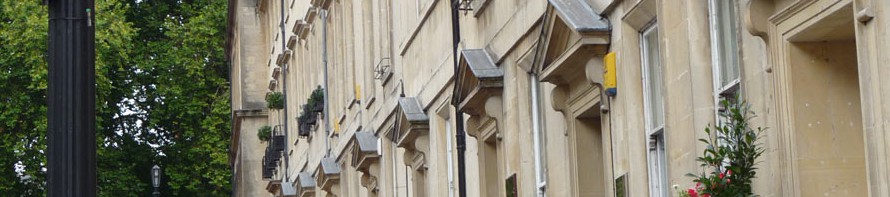
Outdoors sights and events. One of Bath’s chief glories is its architecture, and you can enjoy that without paying a penny – pick up a free or cheap guide/map from the Tourist Information Office and explore the sights. While you’re at the Tourist Information Office, check whether there are any free events on during your stay. Some occasions, like the opening night of Bath International Music Festival, can be enjoyed by all.
Parks and gardens. Bath is extremely proud of its reputation as a repeat winner of the ‘Britain in Bloom’ contest, and the town boasts plenty of pleasant public spaces. If you’re looking for somewhere to enjoy that picnic, to take a pleasant stroll or to let the children play, visit one of Bath’s public parks. The largest is Victoria Park, which stretches from the Royal Crescent to the west of the city centre. As well as lawns, trees and an old bandstand you’ll find a children’s adventure playground and the city’s fine Botanic Gardens, which date back to 1887. Those with an interest in historic gardens should also visit the Georgian Garden, the back garden of one of the townhouses in the Circus. Access is from the Gravel Walk which connects the Royal Crescent and Queen Square. Admission, again, is free.
Stay cheaply. One of the cheapest places to stay in Bath is its YHA youth hostel, set among gardens uphill from the town centre (there’s a bus). You can book a bunk bed in a shared dorm, or a private room.